Is your garage uncomfortably hot in summer or freezing cold in winter despite having an insulated door? Furthermore, garage door insulation problems reduce energy efficiency and make your garage unusable during extreme weather. Moreover, recognizing garage door insulation damage early helps homeowners restore thermal protection before energy costs climb higher. Consequently, whether you need spot repairs or a complete garage door insulation upgrade, professional help for garage door insulation problems near you keeps your garage comfortable year-round. In addition, understanding garage door insulation cost helps you budget for this valuable improvement.
Why Garage Door Insulation Matters
Specifically, garage door insulation creates a thermal barrier between your garage interior and the outside temperature. Furthermore, an insulated door reduces heat transfer through the largest opening in your home. Moreover, this barrier keeps your garage warmer in winter and cooler in summer, protecting stored items and reducing strain on adjacent living spaces. Consequently, garage door insulation problems eliminate this protection and allow outdoor temperatures to dominate your garage environment.
Common Causes of Garage Door Insulation Problems
Moreover, garage door insulation problems develop from several factors that compromise the insulating material over time. Specifically, moisture infiltration from rain, condensation, or flooding saturates insulation and destroys its ability to resist heat transfer. Furthermore, physical impacts from vehicles, equipment, or debris compress or dislodge insulation panels inside the door. Additionally, age causes insulation materials to settle, compress, and lose R-value gradually over many years of use. Consequently, understanding these causes helps you prevent garage door insulation damage before it affects comfort and energy costs.
Environmental and Structural Factors
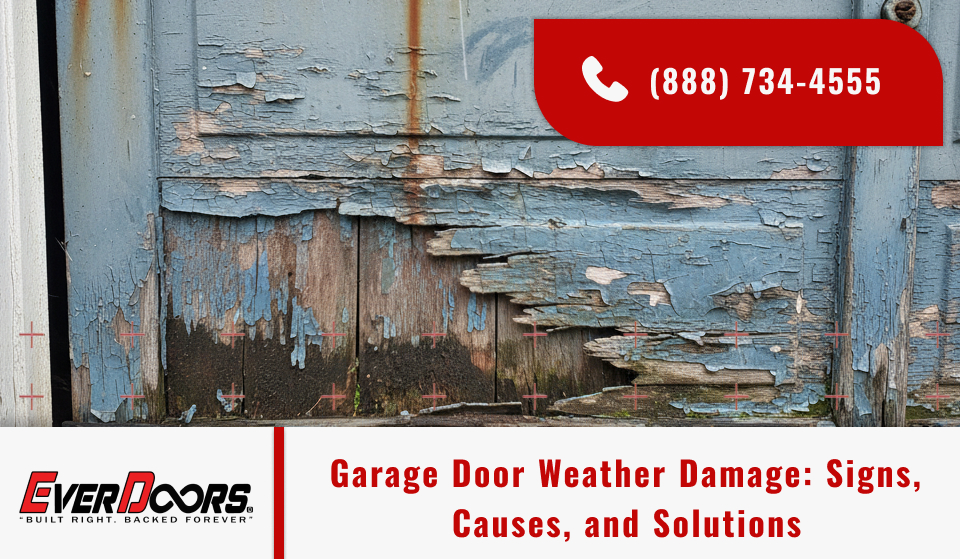
Similarly, environmental conditions accelerate garage door insulation damage beyond normal aging. Specifically, extreme temperature cycling causes expansion and contraction that loosens insulation from its mounting inside the door panels. Furthermore, humidity and condensation promote mold growth within insulation material, degrading both performance and air quality. Moreover, pest intrusion from rodents or insects damages insulation by creating nests, tunnels, and contamination throughout the material. Additionally, poor original installation leaves gaps and voids that reduce effectiveness from day one. Consequently, these factors create garage door insulation problems that worsen progressively without intervention.
Signs of Garage Door Insulation Damage
Furthermore, recognizing garage door insulation damage helps you schedule repairs before energy waste becomes significant. Specifically, temperature differences you can feel when touching the inside of your garage door indicate insulation has failed in those areas. Moreover, higher than expected energy bills suggest heat is transferring through the door and forcing your HVAC system to compensate. Additionally, condensation forming on the interior surface of the door panels signals that the insulation barrier has broken down.
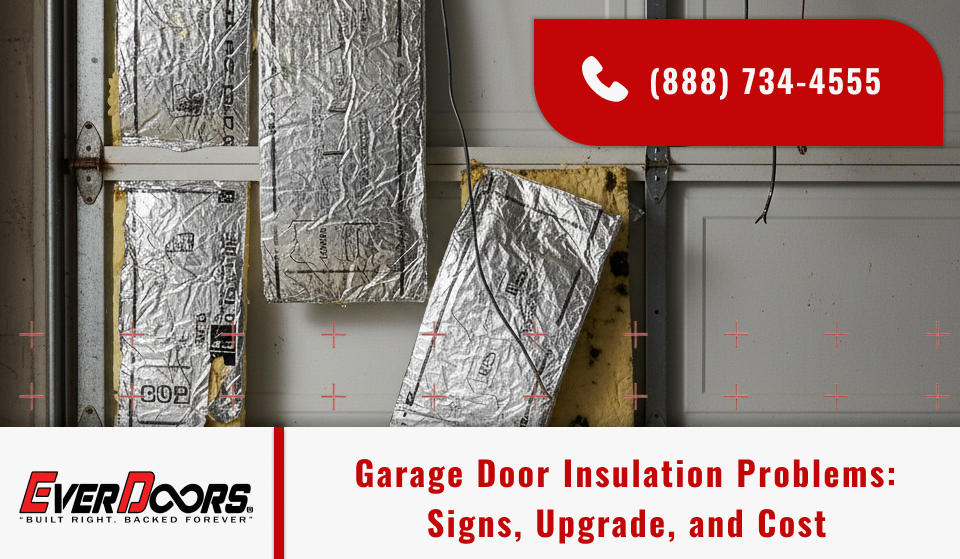
Similarly, visible sagging, gaps, or displaced material when you inspect the inside of your door confirms physical insulation failure. Furthermore, musty odors near the door may indicate mold growing within moisture-damaged insulation. Moreover, your garage feeling noticeably different from room to room in the adjacent house points to heat loss through the door. Consequently, any combination of these signs warrants professional evaluation to determine the extent of garage door insulation damage.
Garage Door Insulation Upgrade Options
Moreover, a garage door insulation upgrade offers several approaches depending on your current door type and condition. Specifically, retrofit insulation kits add polystyrene or polyurethane panels to existing uninsulated or under-insulated doors at a moderate cost. Furthermore, reflective foil insulation works well in hot climates by reflecting radiant heat away from the garage interior. Moreover, spray foam insulation fills gaps completely and provides both thermal resistance and air sealing in a single application. Consequently, your technician can recommend the best garage door insulation upgrade based on your climate and budget.
Similarly, full door replacement with a factory-insulated model provides the highest R-value and best long-term performance. Specifically, modern insulated doors feature polyurethane foam injected between steel skins for maximum thermal resistance. Furthermore, factory insulation eliminates the gaps and settling issues common with retrofit approaches. Moreover, new insulated doors also reduce noise, increase structural strength, and improve curb appeal simultaneously. Therefore, comparing a garage door insulation upgrade against full replacement helps you choose the most cost-effective solution.
Garage Door Insulation Cost Factors
Furthermore, understanding garage door insulation cost helps homeowners evaluate their options realistically. Specifically, retrofit insulation kits for a standard two-car door typically cost $100 to $300 for materials depending on insulation type and R-value. Moreover, professional installation adds $150 to $300 in labor for a complete retrofit application. Additionally, spray foam insulation costs more at $200 to $500 but provides superior air sealing and thermal performance.
In addition, full insulated door replacement ranges from $800 to $2,500 or more depending on material, style, and R-value rating. Furthermore, higher R-value doors cost more upfront but deliver greater energy savings over their lifespan. Moreover, garage door insulation cost often pays for itself within two to four years through reduced heating and cooling expenses. Consequently, the Door and Access Systems Manufacturers Association recommends insulated doors for any garage attached to living spaces.
Preventing Future Garage Door Insulation Problems
Additionally, proper care extends insulation life and maintains thermal performance for years. Specifically, inspect your door’s insulation annually for signs of moisture, displacement, or pest damage. Furthermore, address any water intrusion issues promptly by fixing leaks, improving drainage, and sealing gaps around the door frame. Moreover, keep the garage well ventilated to prevent condensation buildup that degrades insulation material over time. Additionally, maintain proper weatherstripping around all door edges to prevent moisture from reaching the insulation.
Similarly, avoid storing chemicals near the door that produce fumes capable of degrading insulation materials. Furthermore, repair any panel dents or damage promptly to prevent insulation from shifting out of position. Consequently, consistent maintenance prevents most garage door insulation problems from developing in the first place.
Final Thoughts
In fact, garage door insulation problems waste energy, reduce comfort, and leave your garage vulnerable to extreme temperatures. Moreover, recognizing garage door insulation damage from moisture, settling, or physical impact helps you act before costs escalate. Furthermore, a professional garage door insulation upgrade restores thermal protection whether you choose retrofit panels or a complete insulated door replacement.
Consequently, don’t let poor insulation turn your garage into an energy drain on your home. Therefore, contact a professional for garage door insulation problems near you today for an honest evaluation. In addition, understanding your garage door insulation cost upfront helps you choose the right solution for your budget and climate.
Phone: (888) 734-4555
Email: info@everdoors.com
Website: https://www.everdoors.com/