Furthermore, a failing garage door bottom seal lets cold air, water, and pests slip inside fast. Moreover, a worn bottom weatherstrip signals trouble that spreads quickly across your whole garage. Specifically, a cracked garage door threshold seal wastes energy daily and lets drafts creep in. Additionally, a damaged garage door weather seal invites moisture and chilly air indoors. Consequently, many homeowners delay garage door seal replacement and skip simple upkeep entirely. Therefore, search “garage door bottom seal near you” or “garage door bottom seal near me” right now. Likewise, EverDoors helps homeowners spot warning signs early and act before damage grows. Notably, this guide explains causes, symptoms, and lasting solutions in plain language.
What a Garage Door Seal Does
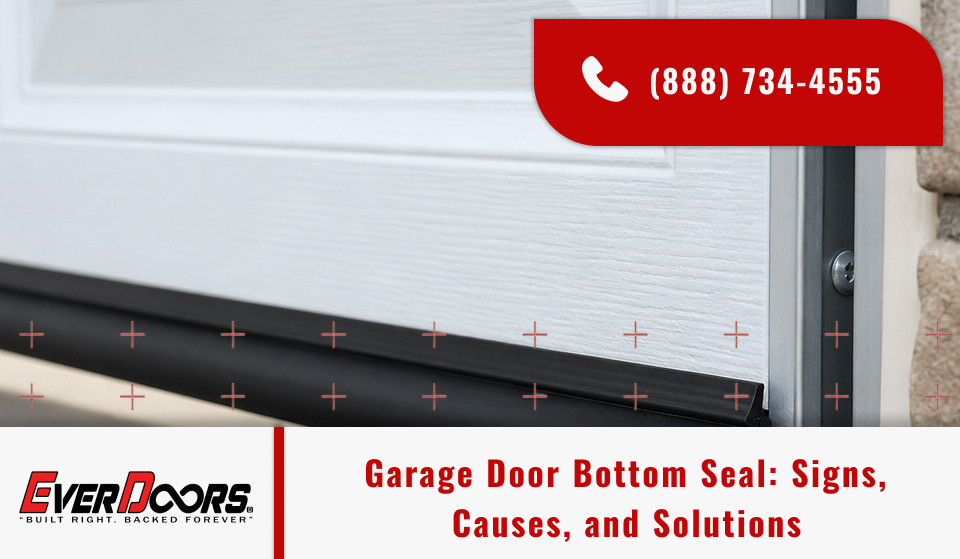
Generally, the bottom seal closes the gap between your door and the concrete floor. Furthermore, this flexible strip blocks rain, snow, dust, leaves, and crawling insects. Moreover, it cushions the door as it lands, reducing noise and impact damage. Consequently, a healthy barrier keeps your space cleaner, drier, and far more comfortable.
Typically, the bottom weatherstrip slides into an aluminum retainer along the door’s lowest edge. Additionally, the rubber lip compresses against the floor when the door shuts completely. Therefore, a proper fit matters as much as the material quality itself.
Why a Tight Seal Saves Energy
Importantly, a snug garage door weather seal stops conditioned air from escaping under the door. Consequently, your heating and cooling system works less, trimming monthly utility costs. Moreover, a strong rubber barrier protects stored items from humidity and mildew.
Warning Signs of a Failing Garage Door Seal
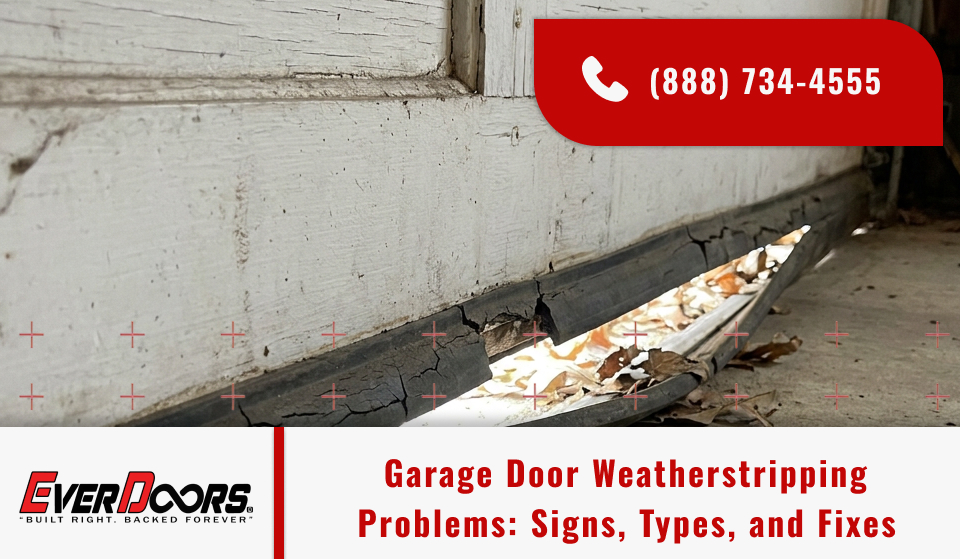
Notably, several clues reveal a worn bottom seal before serious damage appears. Furthermore, you might notice daylight under the closed door or a sudden chill inside. Additionally, water stains, leaf piles, or insect trails often point to a broken strip. Therefore, watch for these symptoms and respond quickly.
Visible Gaps and Daylight
Specifically, crouch down and inspect the rubber lip along the entire bottom edge. Moreover, visible daylight or uneven gaps mean the rubber no longer touches the floor. Consequently, that gap signals an urgent need for garage door seal repair.
Drafts, Water, and Pests Indoors
Meanwhile, a leaking threshold strip allows wind, rain, and rodents inside easily. Additionally, you may smell musty air or feel cold drafts near the floor. Therefore, treat these signs as proof your weatherproofing has failed.
Subsequently, sun, cold, and age turn the bottom weatherstrip hard and brittle. Furthermore, cracked rubber flattens out and stops sealing the gap correctly. Hence, brittle material almost always demands a prompt replacement.
Common Causes of Seal Damage
Generally, everyday weather and steady use wear down a garage door threshold seal over time. Moreover, harsh sunlight, freezing nights, and ground moisture all attack the material. Additionally, pests sometimes chew the strip while seeking warmth and shelter. Consequently, knowing each cause helps you prevent repeat failures.
Weather and Temperature Swings
Specifically, extreme heat softens rubber while deep cold makes the garage door weather seal stiff. Furthermore, repeated swings crack the material and shrink its flexible lip. Therefore, climate alone often forces an early repair.
Uneven Floors and Poor Installation
Conversely, a sloped or cracked floor leaves gaps the threshold strip cannot bridge. Additionally, a rushed install can leave the rubber crooked or loosely seated. Consequently, poor setup shortens the life of any weatherproofing.
Threshold Strip Versus Bottom Seal
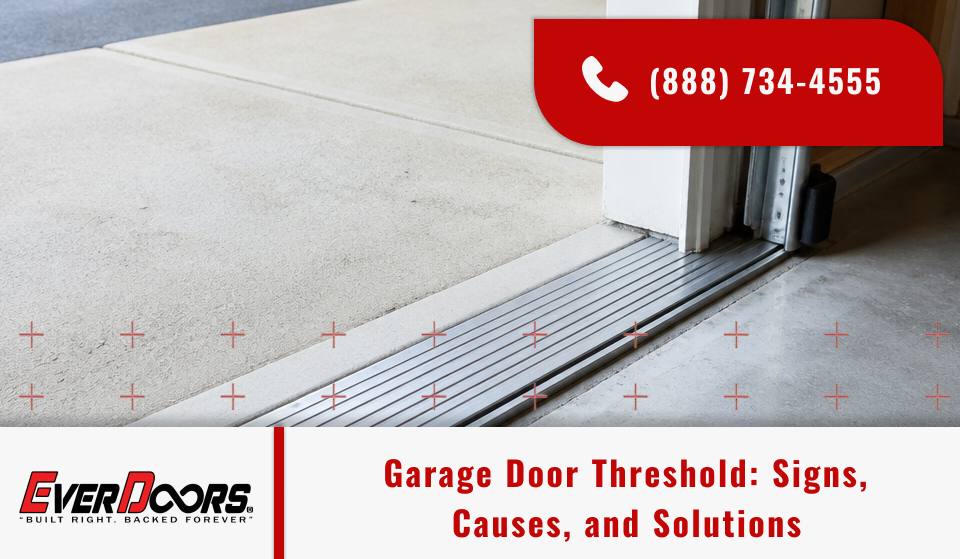
Importantly, the garage door threshold seal and the bottom weatherstrip solve the same problem differently. Furthermore, the threshold mounts on the floor while the bottom seal attaches to the door. Moreover, many homes combine both for the tightest possible barrier. Therefore, understanding each option guides a smarter repair choice.
Specifically, choose a floor mounted threshold when your driveway slopes water toward the door. Moreover, this raised ridge blocks runoff that a bottom seal alone misses. Therefore, the combination defends low spots and uneven concrete effectively.
Picking the Right Seal Material
Notably, quality vinyl and rubber outlast cheap foam in any weather barrier. Furthermore, the International Door Association offers helpful guidance through trusted industry resources online. Consequently, durable material extends the value of every repair.
How Garage Door Seal Replacement Works
Generally, garage door seal replacement follows a clear sequence that skilled technicians complete quickly. Furthermore, the team measures the door, removes old rubber, and fits fresh weatherstripping. Moreover, careful alignment guarantees the new strip compresses evenly against the floor. Therefore, professional work prevents repeat leaks and wasted material.
Measuring and Removing Old Rubber
Subsequently, a technician measures the retainer and confirms the correct bottom weatherstrip size. Likewise, the worker slides the brittle strip out and cleans the channel thoroughly. Therefore, a clean retainer helps the new rubber seat smoothly.
Fitting and Testing the New Strip
Subsequently, the technician threads fresh rubber and trims it for a snug fit. Moreover, the team lowers the door and checks for even contact and zero gaps. Consequently, careful testing confirms the new barrier truly stops drafts.
DIY Versus Professional Garage Door Seal Repair
Occasionally, some handy owners attempt a fix using a hardware store kit. Conversely, sizing mistakes and uneven floors often defeat a quick weekend job. Moreover, a poor result leaves stubborn gaps that waste your effort. Therefore, weigh the risks before grabbing tools.
When DIY Makes Sense
Occasionally, a simple weather seal swap suits a level floor and standard retainer. Furthermore, patient owners with the right strip can finish the task in an afternoon. Therefore, minor jobs sometimes reward a careful do it yourself approach.
When to Call a Technician
Conversely, call a pro when the threshold meets cracked or sloped concrete. Additionally, hidden retainer damage and stubborn alignment problems demand trained hands. Consequently, expert service saves time and protects your investment.
Maintaining Your Garage Door Seal
Ultimately, simple habits keep your bottom seal flexible and effective for years. Furthermore, cleaning, lubricating, and inspecting the strip prevents sudden surprises. Moreover, small attention today avoids a costly replacement tomorrow. Therefore, build a short routine and stick with it.
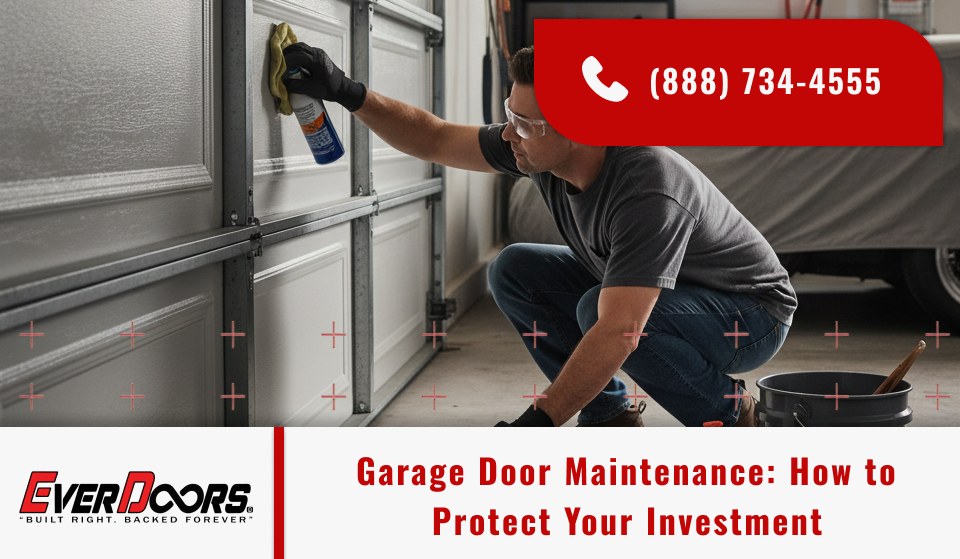
Regularly, inspect the rubber lip each spring and fall for cracks or flattening. Additionally, wipe away grit and apply silicone spray to keep rubber supple. Therefore, brief seasonal checks extend the life of every weatherstrip.
Stop Garage Door Bottom Seal Problems Today
Ultimately, a sound bottom seal protects your home from weather, pests, and waste. Furthermore, early action stops small gaps from becoming expensive structural headaches. Moreover, professional inspection pinpoints worn rubber and recommends the right fix. Additionally, our trained team handles measuring, fitting, and testing with proven care. Therefore, contact EverDoors for garage door bottom seal near you today.
Phone: (888) 734-4555
Email: info@everdoors.com
Website: https://www.everdoors.com/